Stories
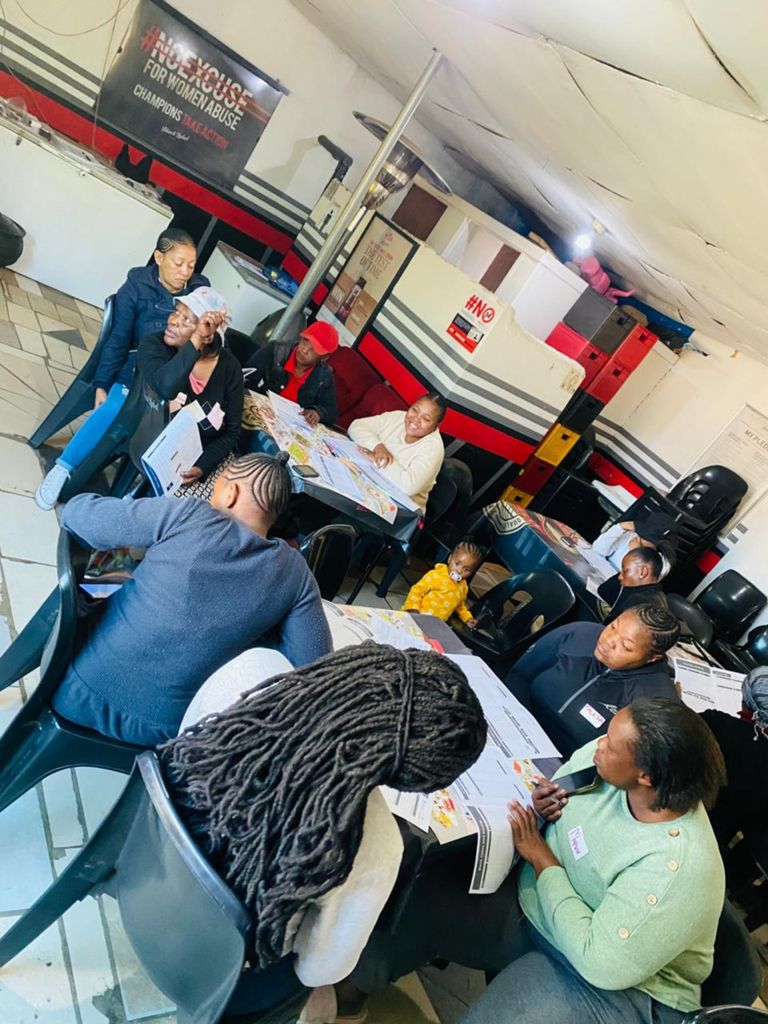
On the 12 March 2025 i conducted a session on Money Fo Sho in Tsakane at Consuming Fire Ministries. This was a group of young people. Many of them were excited to learn about budgeting and moreover they were excited to know about the snowball method and one in particular spoke of how the snowball method will be beneficial for them as they find ways of settling their accounts.

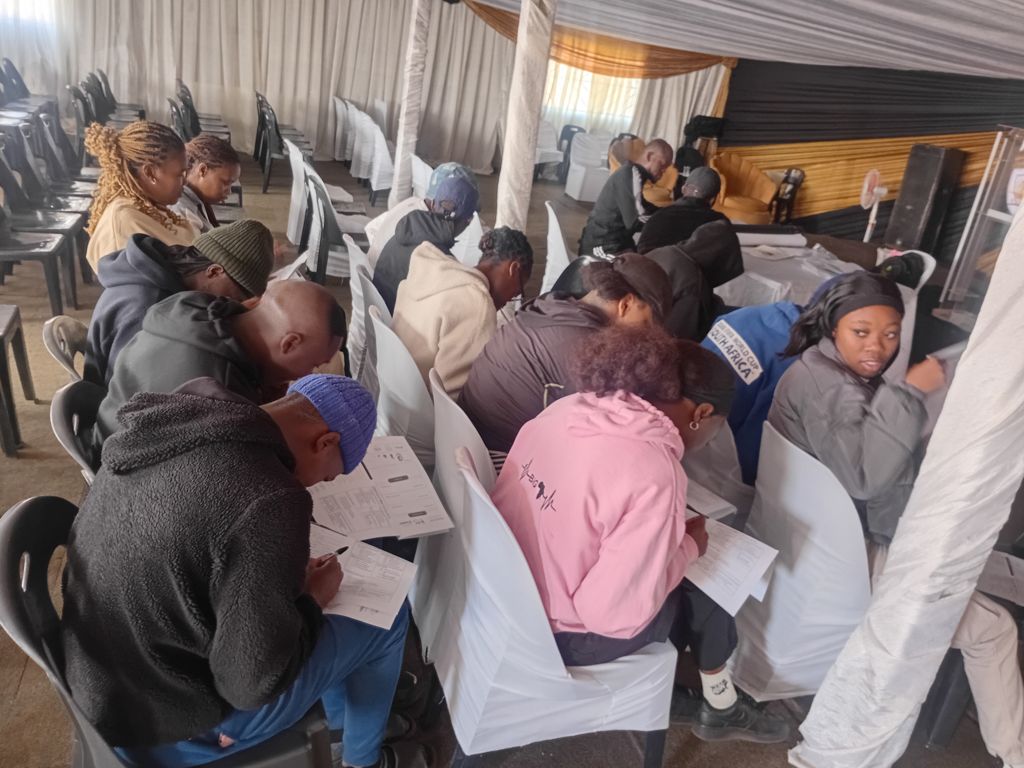
A powerful story from the field. On the 05 and 06th May I was privileged to train in another village of Moeka in Moretele Local Municipality on The North-West. On the first day after presentation of the Money Fo'Sho session a lady by the name of Caroline Dikobe saw us leave the venue and wondered what was going on, this is according to her telling me on the second day. Of course the following day she came to attend the Sanlam Money Modular courses on budgeting and Young people and money. After the sessions she came to me and told me how blessed and fortunate she was and that she had gained a lot in one day and wishes this was a month long program due to its impact in her life although a short days program. However the story does not start enthusiastically as she was feeling robbed of time, suicidal and feeling like a looser in life at 37 years of age. Now her life has been turned around as she feels motivated and encouraged to live a purposeful live. The two modules made her think about her long lost passion of being involved in ECD (Early Child-Care Development) and would now love to register and go back to class as soon as she can procure enough funds. Thanks to all the partners with underprivileged communities that we can reach people like Caroline and so many who have lost hope. We certainly are making a difference one life at a time.

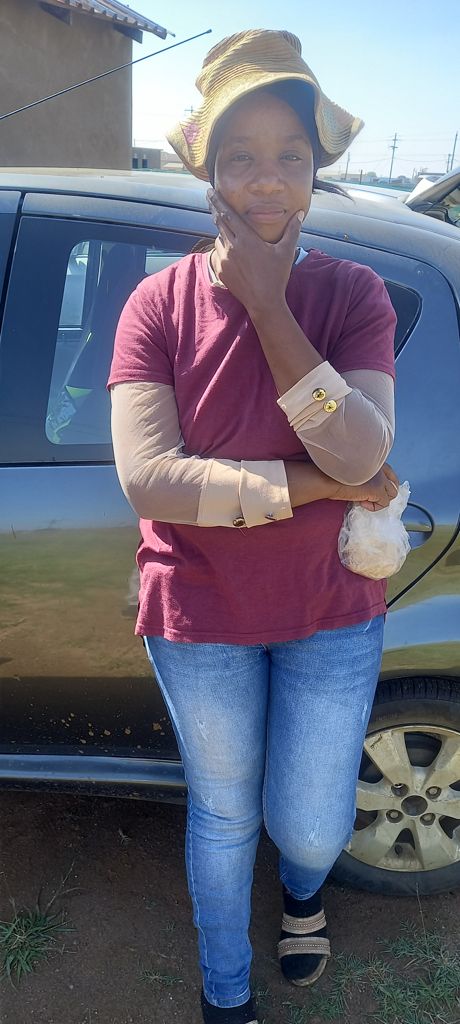
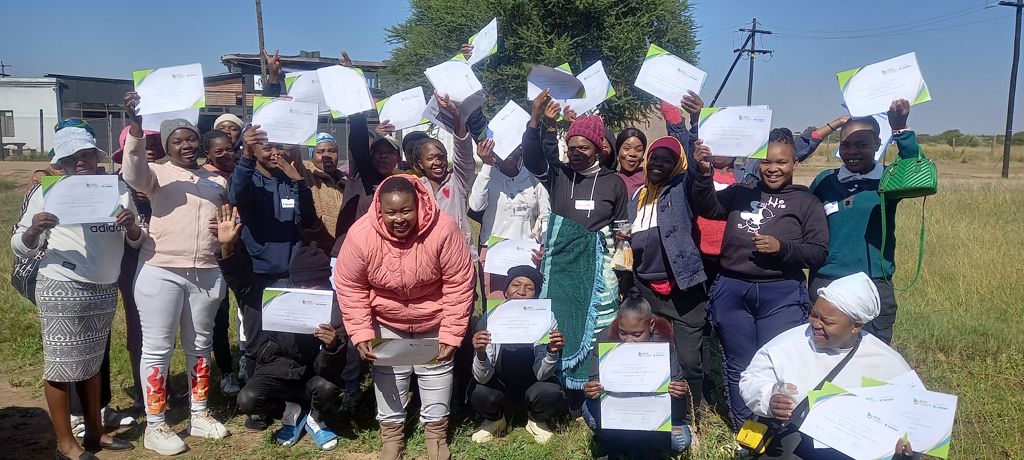
The training was conducted for 2days, on the 8th and 9th of May 2025. It was on Money Modular. This was a continuation of the financial skills training as part of the same group attended a Money Fo Sho session last year. It is a group of participants with various physical disabilities who are on an ECD Level 5 learnership programme. They were very excited because the training was like a refresher for them and at the same time it brought more clarity on many topics they dealt with in Money fo sho. Antoinette (Project Manager) was present in one of the training days, and shared some useful information on scams and phishing .The activities on Budgeting, Setting Goals and Money Safety were the highlights as participants were open to share their experiences on how one was a victim of a scam because of the desperation for money and employment. It was so sad to hear that the victims had to borrow money to buy laptops which they lost and found out that they were scammed as it turned out that it was a fake job opportunity. They found the SMART and GROW principles as very useful in guiding them to set achievable goals. The Budgeting template was so useful to them as they were receiving a stipend and was a good practice towards a proper budget with a surplus and not a shortfall, thanks to the Handout they worked on as individuals and later shared the information as group presentations. The training was more fitting to the attendees in many ways!

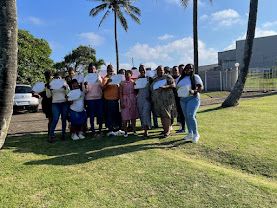
On the 23rd of April 2025, I was excited to get another opportunity to impart knowledge on Money Fo Sho to the so ever eager to learn community of Mistake Farm in Umzinto (KZN) and this time in the presence of the iTOO representative, Rob Ferguson. Mistake Farm is in the remote area and it is very rare to get any form of training to empower the community more especially the large number of unemployed youth. There were about 50 participants which is the number way above the required but Rob said we should not chase them away because it shows their eagerness for knowledge, so I had quiet a big group. They were so lucky because Rob brought them some snacks which I think brought excitement to excel in their participation on the activities done during the training. There was also a group of participants who are under a project by LIMA and it was so interesting to listen to them sharing their journeys on how they got indebted and cannot even enjoy their work life, so I had to deviate and talk about how to come out of debt using the snowball method and advising them to use registered debt counsellors as another option if they feel that debts are too much to handle. This was an eye opener to the young ones to know how not being able to manage debt can put you in such trouble, more questions were on how they can keep their credit profiles/reports in order and be financially healthy. After the session I got more requests for more Financial Skills training as other community members saw their posts on social media and wanted the same information too. It is always a pleasure to serve that community even though the area is too far and is costly to reach but the willingness to learn is just what melts my heart.
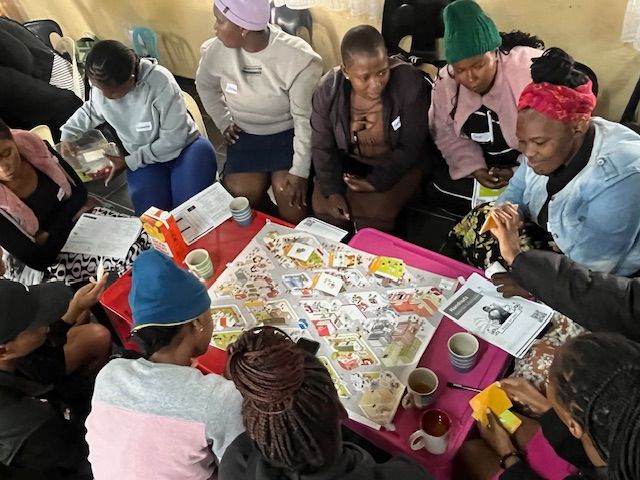


From the 14th of May 2025 to the 17th, I conducted training in various Hollywood bets sites in Limpompo (Loius Trichardt, Malamulele, Thohoyando and Giyani). At first what seemed to be a daunting task, because of cultural and language differences, ended up being a worthwhile experience. We covered savings and investments (MM2) in the trainings, which was frightening because it requires the use of big words like "compound interest", "Macro and Micro Economy", "inflation" etc. And explaining these words to an audience that did not speak isiXhosa or Zulu seemed like a mammoth task. Contrary to belief, the training went exceptionally well! At one of the training sessions I was approached by a young gentleman of no more than 23 years of age, he was interested in discussing investments at length. He was interested in ways to make his money work for him so that he may be self sustainable one day and not rely on employment.
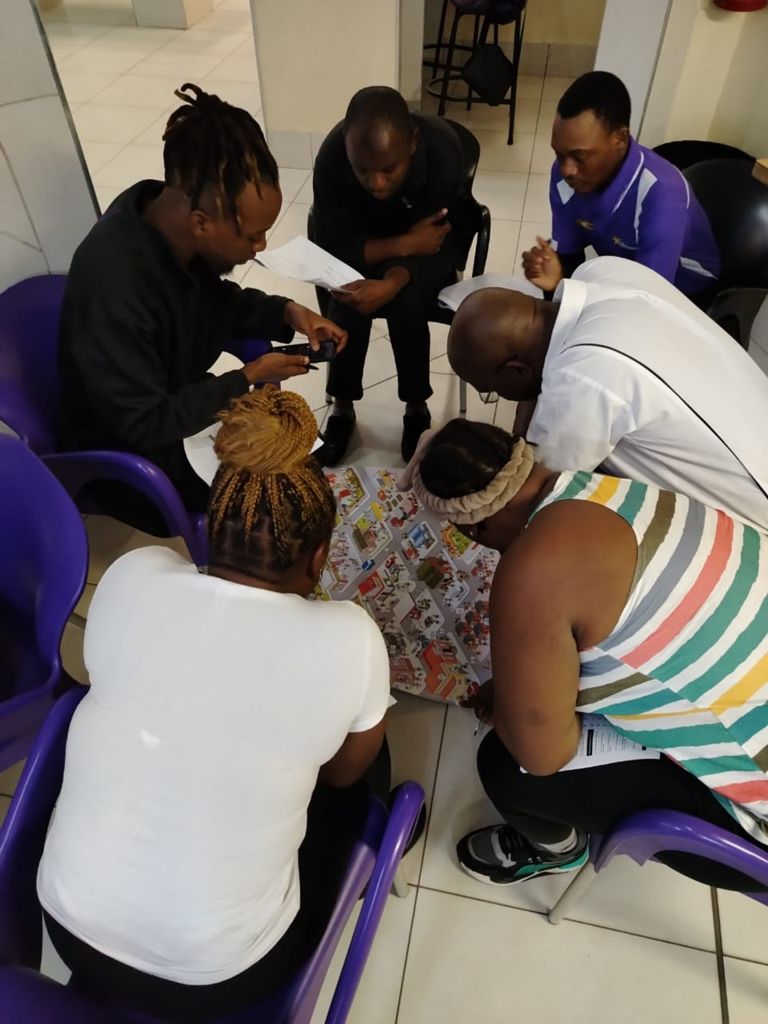
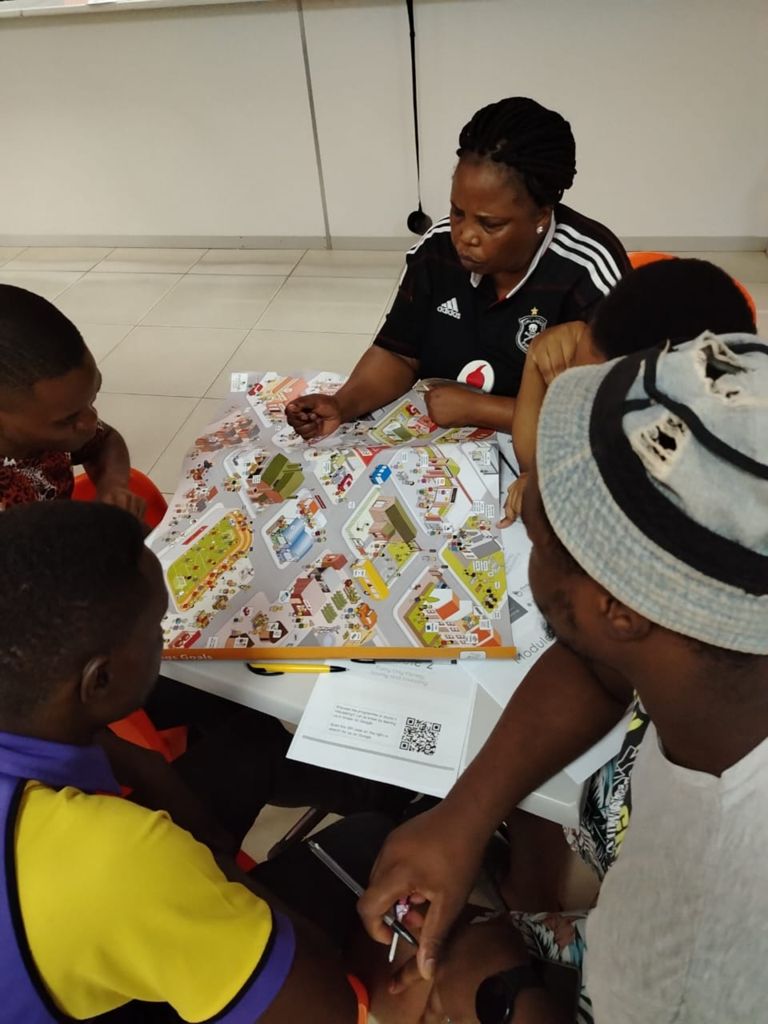
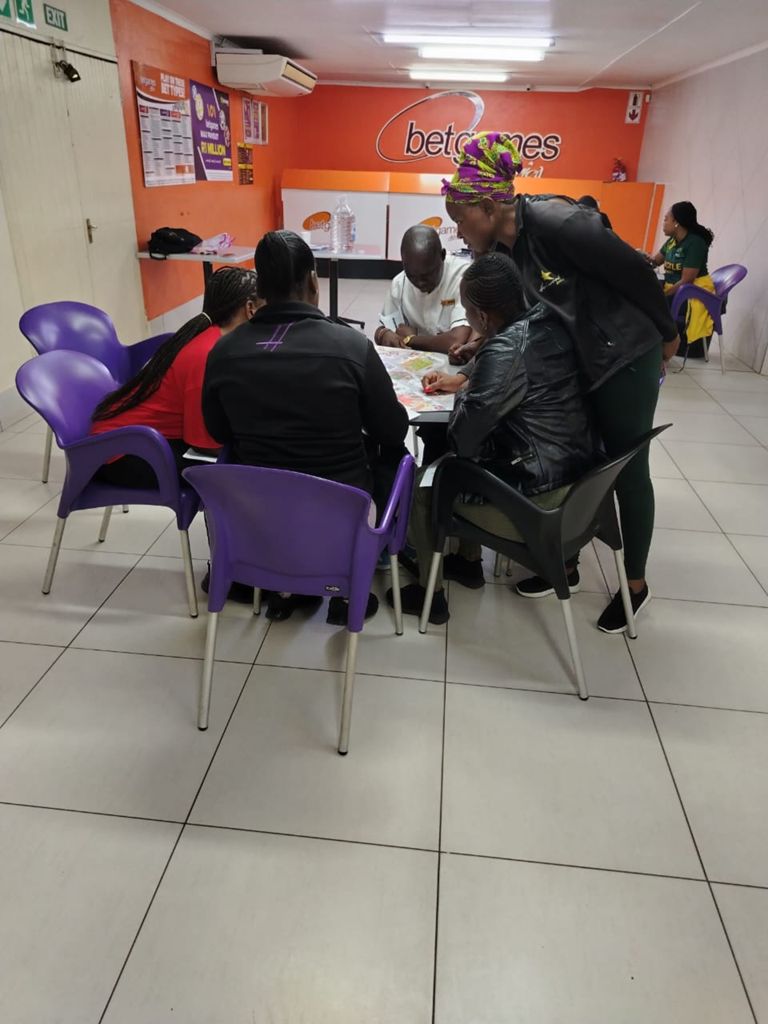
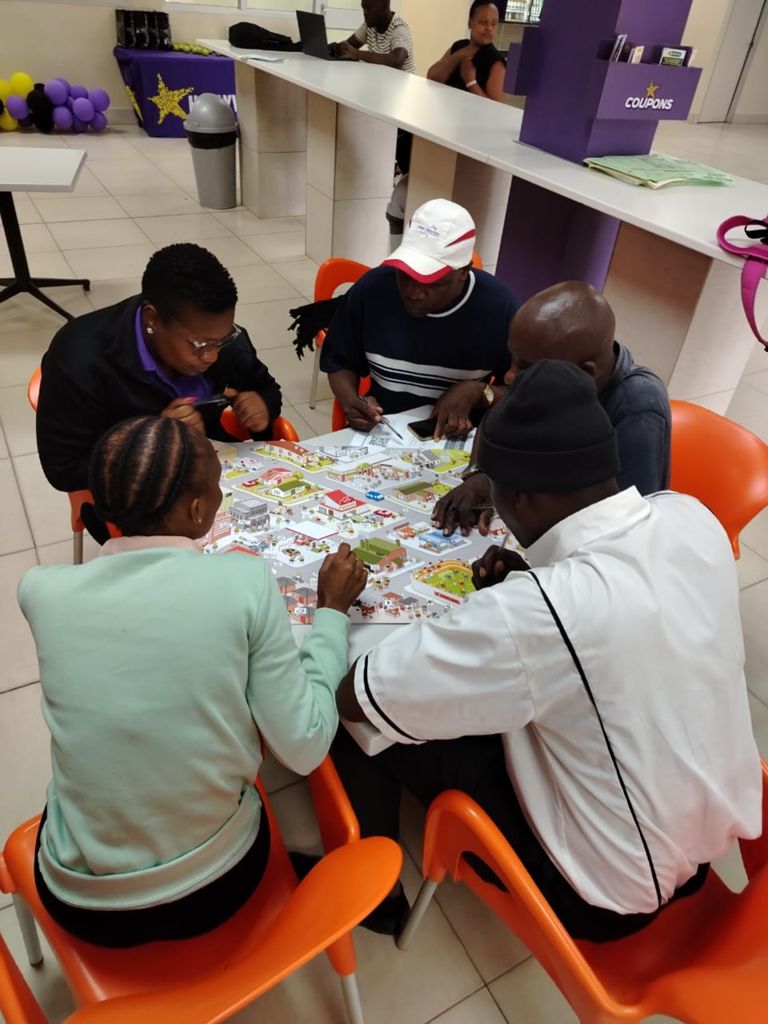
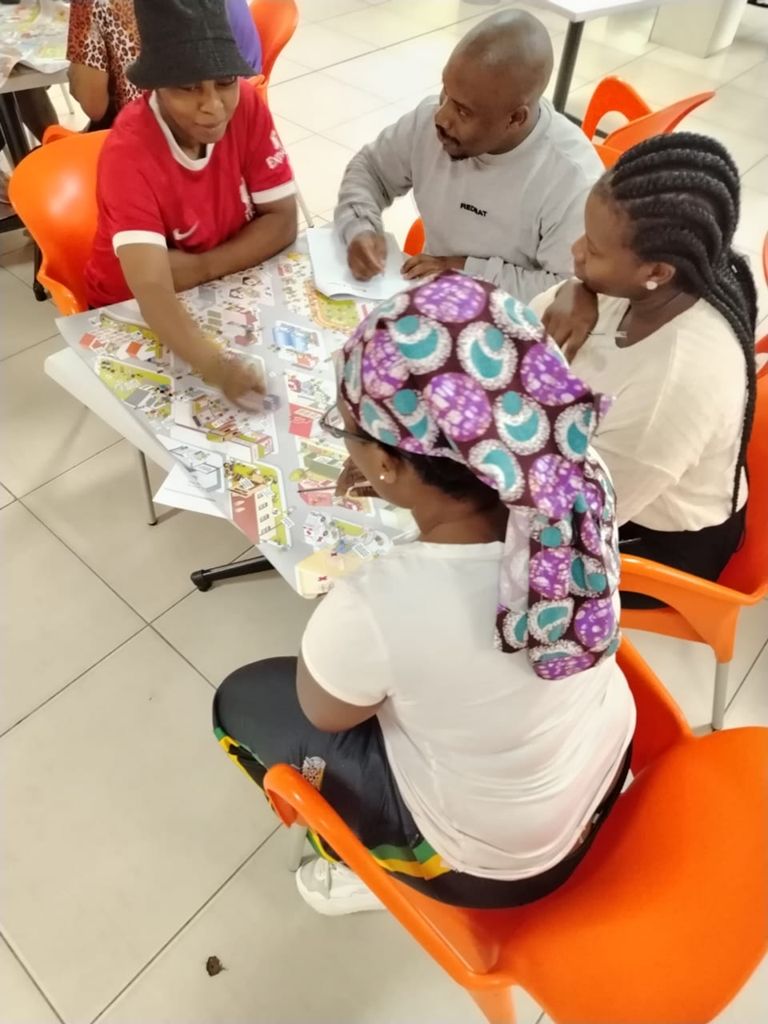
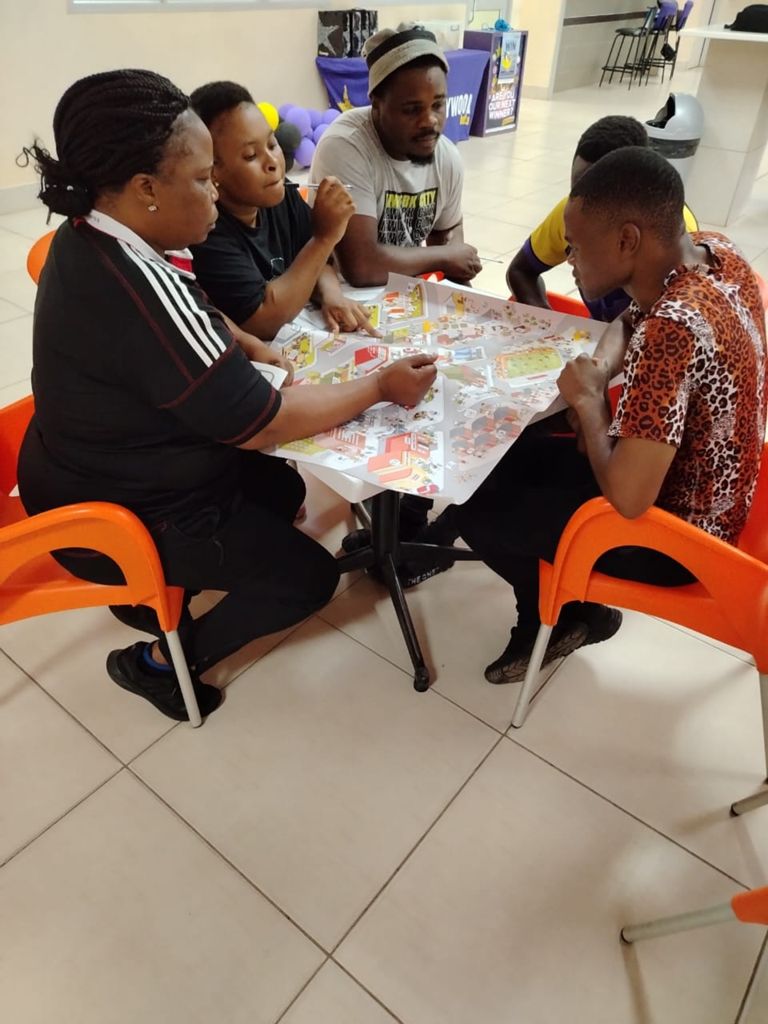
In the month of April, I had the privilege of facilitating six financial literacy sessions for the Mangaung community—reaching both the young and old. One session was held in an urban area, while the remaining five took place in rural communities, with a significant impact especially observed in Thaba Nchu. The financial literacy training made a meaningful difference in several key areas: 1. Empowerment through Knowledge: Participants gained crucial financial skills, including budgeting, saving, and introducing money concepts to children, equipping them to make better financial decisions. 2. Increased Confidence: Many attendees left the sessions feeling more confident in managing their personal finances and equipped to teach these skills within their families, laying a foundation for generational financial awareness. 3. Community Engagement: The positive feedback and requests for monthly sessions reflect the community’s appreciation and eagerness to continue learning. 4. Recognition and Motivation: Receiving certificates boosted morale and validated participants efforts, encouraging them to continue their financial learning journey. A heartfelt thank you to Avocado Vision for giving our people hope. Because of these sessions, individuals have learned how to budget, save, and spend wisely—reducing reliance on debt and fostering greater financial stability within our communities.


In the month of April, I had the privilege of facilitating six financial literacy sessions for the Mangaung community—reaching both the young and old. One session was held in an urban area, while the remaining five took place in rural communities, with a significant impact especially observed in Thaba Nchu. The financial literacy training made a meaningful difference in several key areas: 1. Empowerment through Knowledge: Participants gained crucial financial skills, including budgeting, saving, and introducing money concepts to children, equipping them to make better financial decisions. 2. Increased Confidence: Many attendees left the sessions feeling more confident in managing their personal finances and equipped to teach these skills within their families, laying a foundation for generational financial awareness. 3. Community Engagement: The positive feedback and requests for monthly sessions reflect the community’s appreciation and eagerness to continue learning. 4. Recognition and Motivation: Receiving certificates boosted morale and validated participants efforts, encouraging them to continue their financial learning journey. A heartfelt thank you to Avocado Vision for giving our people hope. Because of these sessions, individuals have learned how to budget, save, and spend wisely—reducing reliance on debt and fostering greater financial stability within our communities.


Had 3 ENRICHED MONEY fo sho's training with 2 community groups and 1 workplace, commenced with managing money by identifying financial goals for each individual as they shared their goals and dream and on that note they have learned that it does not require more money or richness to have financial goals and being able to save for them. What is important is to draw your budget and from income to expenses what is left is for one to save for a goal therefore that will direct you to know how much you saving and for how long categorising short, medium and long term goal so we all concluded it's all about discipline, realistic and consistent. We then proceeded to managing risks where by each group had 3 cards of different insurances and they role played the sales people selling insurance to others, furthermore discussed WILLS, accidents and claims. In addition we demonstrated buying in cash and in credit, shared the reasons why people buy on credit and how credit build credit record then some shared their situations and asked for ways to overcome risky situations. Lastly the financing funerals we discussed ways to prepare for such event, they listed policies, undertakers and community policies and we filled in the funeral forms acting as if we planning for one, then each shares their estimated costs and mostly said in disbelief that "funerals indeed are expensive" meaning they need to be prepared for financially. The session was productive and participants were willing to change their habits and practise financial control and discipline.